
How to Share Preschool Updates Families Actually Want (2026 Guide)
What families really want to see, the formats that work, and how to turn sharing your classroom into a two-minute weekly habit.
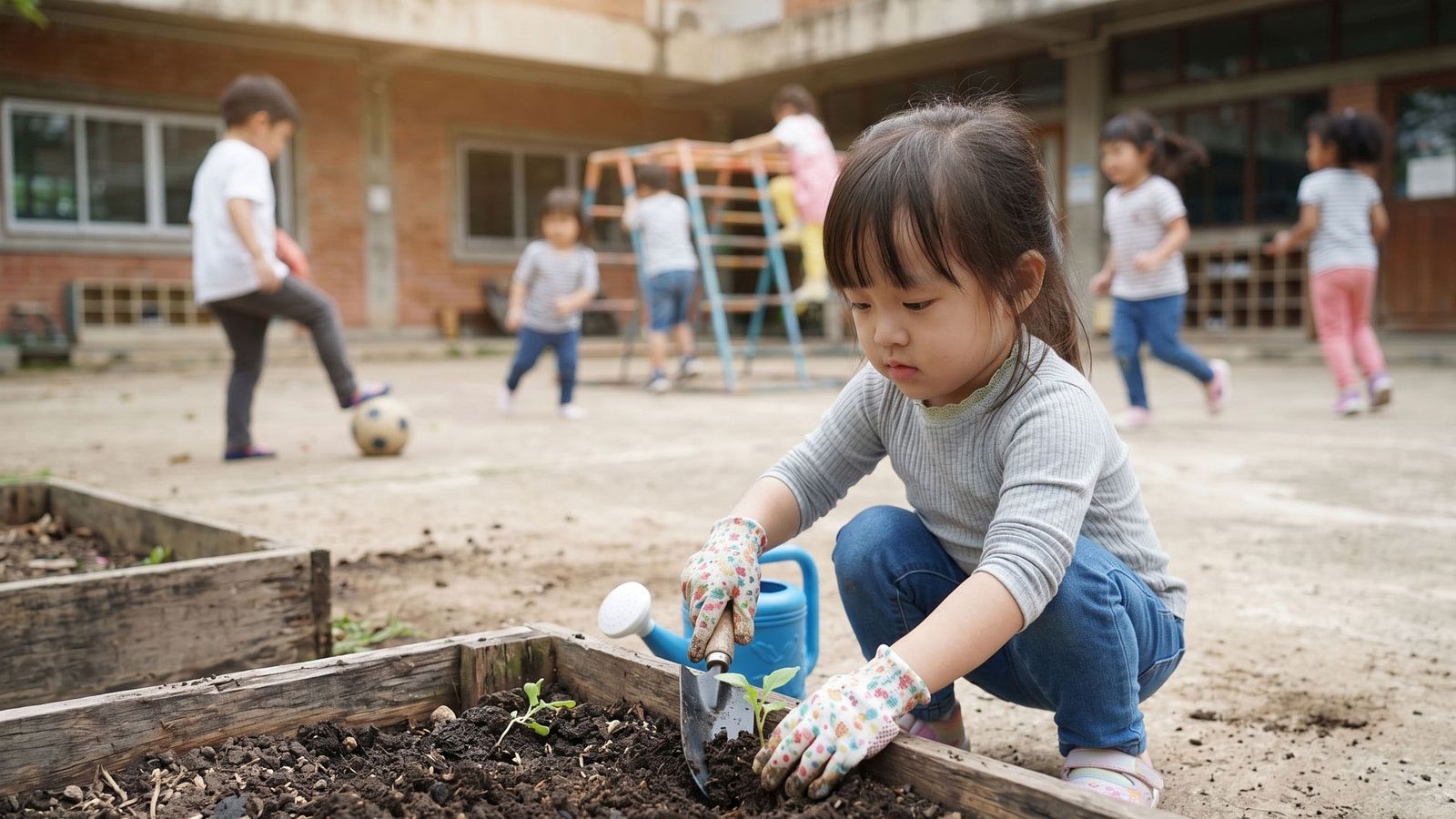
Every preschool family has the same quiet question at pickup: “So… how was your day?” The child shrugs. The parent smiles. And a whole day of discovery — the first bean sprout, the tower that finally stood up, the new friend at the sand table — stays locked inside the classroom.
Closing that gap is one of the highest-leverage things an early-education program can do. Strong family communication builds trust, deepens learning at home, and keeps families enrolled. The challenge is doing it consistently when teachers are already stretched thin. This guide breaks down what families actually want, the formats that work, and how to make sharing your classroom a two-minute habit instead of an evening chore.
Key takeaways: Families value real photos plus a short, specific note over generic daily sheets. Consistency beats volume — a reliable weekly update builds more trust than occasional bursts. Always respect photo consent. And the right tool turns sharing into a two-minute habit.
Why sharing your classroom matters
When families can see their child's day, three things happen. Parents start richer conversations at home (“Tell me about the garden!”), which extends learning beyond the classroom. Teachers earn trust and goodwill that smooths the harder conversations when they come. And programs see it in the numbers: families who feel connected are far more likely to re-enroll and refer friends.
In other words, family communication isn't a “nice to have.” It's child development, retention, and word-of-mouth marketing rolled into one — and it costs nothing but a few intentional minutes.
What makes an update families actually keep
Not all updates are created equal. A wall of text or a checked-box daily sheet gets a glance and a swipe. The updates families screenshot, save, and forward have three things in common.
Real photos with a little context
A single in-the-moment photo says more than a paragraph. Pair it with one sentence of context — what the child was doing and why it mattered — and you've turned a snapshot into a story.
Short, specific notes
Skip “had a great day.” Try: “Maya planted bean seeds and watered them on her own, then beamed when she spotted the first sprout.” Specific beats generic every time — it shows you see their child.
A consistent rhythm
Families relax when they know what to expect. A dependable weekly recap earns more trust than a flurry of posts one week and silence the next.

6 ways to share your classroom
There's no single right format — the best programs mix a few. Start with one and add as it becomes a habit:
- Daily highlights — one photo and a line at pickup time for the families who want a daily touchpoint.
- Weekly recaps — a small collage of the week's best moments; the sweet spot for most classrooms.
- Milestone moments — first steps, first words, first time writing their name; the updates families treasure.
- Monthly memory books — a printable keepsake that turns a month of updates into something families keep forever.
- Two-way notes — a quick channel for parents to reply, ask questions, or share what happened at home.
- Program-wide updates — reminders and celebrations from admin that keep the whole community in sync.
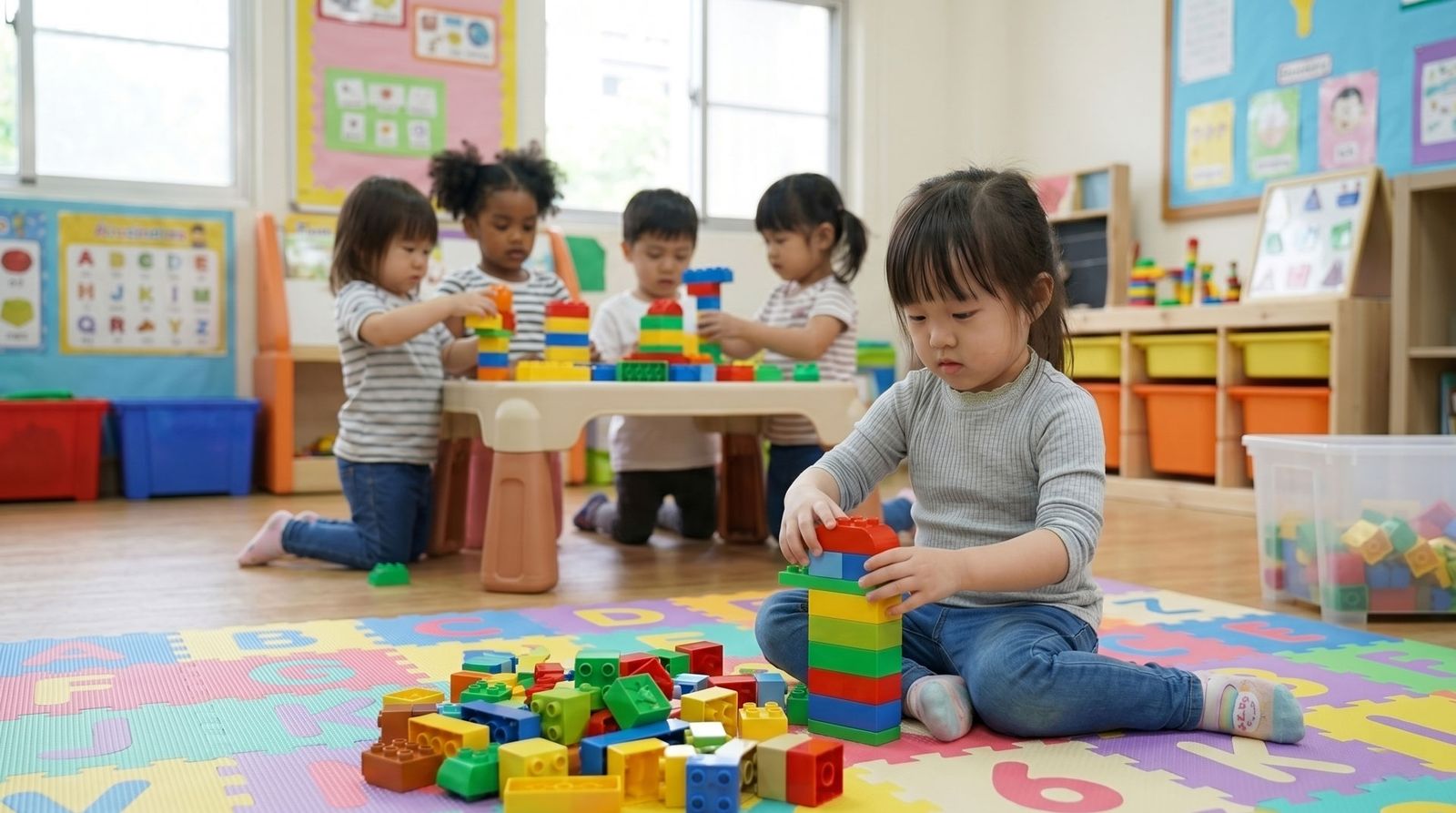
Daily sheets vs. photo updates
Paper daily sheets still have a place for logistics — naps, meals, diapers. But for engagement, photo updates win decisively. A sheet of checkboxes tells a parent their child was fed; a photo of their child proudly holding a painting tells them their child was seen. Use sheets for operations, and lead with photos and notes for connection.
A good rule of thumb: if an update could have been written about any child in the room, it's too generic. The best updates could only be about one child, on one day.
Make it effortless
Here's the honest truth: the barrier to great family communication is never caring — teachers care enormously. It's time. Stitching photos together, writing it up, and emailing giant attachments eats the few quiet minutes a teacher has.
That's exactly why Obzi exists. Pick a template, drop in a few photos and a short note, and Obzi lays it out in your school's colors — then sends families a beautiful, private update in under two minutes. Photo consent is enforced automatically, and at year's end it all becomes a downloadable memory book.
Share your classroom in minutes
Set up Obzi in minutes and send your first beautiful update today — free to start.
Start free trialGetting started this week
You don't need a new system to begin. Try this:
- Pick one cadence you can keep — start with a single weekly recap.
- Snap 3–5 photos across the week as moments happen.
- Write one specific sentence per photo: what the child did and why it mattered.
- Send it the same day each week so families know when to expect it.
Do that for a month and you'll feel the difference at pickup — fewer shrugs, more “Tell me about…!” And when you're ready to make it effortless and beautiful, Obzi is built for exactly this.
The Obzi Team
Obzi
We help preschools, daycares, and caregivers turn everyday moments into beautiful updates families keep.